Over the past year, increased regulatory pressure in multiple regions like UK OFCOM and Australia's eSafety has led to higher operational costs, including infrastructure, security, and the need to work with more specialized service providers to keep the site online and stable.
If you value the community and would like to help support its continued operation, donations are greatly appreciated. If you wish to donate via Bank Transfer or other options, please open a ticket.
Donate via cryptocurrency:
Bitcoin (BTC):
Ethereum (ETH):
Monero (XMR):
How many of you got permanent sequelae from partial attempts?
Thread starterrs929
Start date
You are using an out of date browser. It may not display this or other websites correctly. You should upgrade or use an alternative browser.
I already had tinnitus before trying partial so I dunno about that one. But I have had chronic shoulder pain from my practices with partial. It was earlier in the year 2020 and I was practicing with the knot at the front of my neck. I didn't have the rope anchored, I was just pulling the rope with my hands, lying on my back on the floor. After that my right shoulder became very tender. I would wake up often from sleep because I happened to roll over onto that shoulder and it would cause a lot of pain. It has since gotten better but I can sometimes still feel a little pain here and there. I'm not sure if it was from me pulling the rope or that possibly I damaged my vertebrae since that is where the most pressure would have been applied. Anyway, after that I stopped putting the knot in the front of my neck.
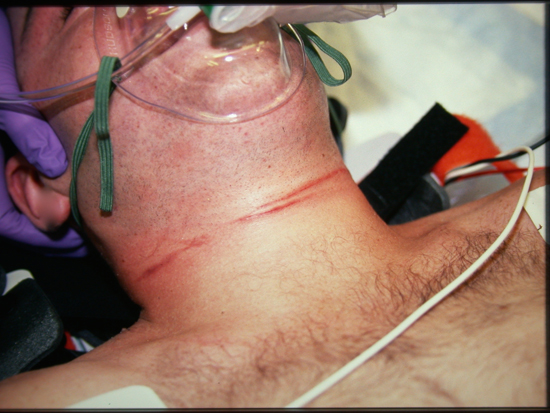
Learn to assess for and recognize signs of unreported strangulation injuries that can potentially lead to delayed death.
www.jems.com
PATHOPHYSIOLOGY
The structures of the neck are poorly protected and extremely vulnerable to severe injury. Vascular injuries due to strangulation aren't uncommon. Venous obstruction leads to cerebral stagnation and petechial hemorrhages develop due to lack of drainage of the deoxygenated blood. Continued obstruction of venous blood flow may cause ruptured blood vessels and hemorrhagic stroke. Carotid pressure causes low cerebral blood flow and cerebral hypoxia. A single blocked carotid artery can cause neurologic findings on the opposite side of the body due to cerebral hypoxia. Thrombosis can form in blocked vessels. Embolization of the clot to the brain can result in an ischemic cerebral vascular accident. Bradycardia and cardiovascular collapse occur from pressure on the carotid sinuses, overstimulating the vagal nerve and increasing parasympathetic tone.1 (See Table 1.)
This site uses cookies to help personalise content, tailor your experience and to keep you logged in if you register.
By continuing to use this site, you are consenting to our use of cookies.