I
iwanttodie019
Specialist
- May 4, 2025
- 386
We wanted to share a quick update with the community.
Our public expense ledger is now live, allowing anyone to see how donations are used to support the ongoing operation of the site.
👉 View the ledger here
Over the past year, increased regulatory pressure in multiple regions like UK OFCOM and Australia's eSafety has led to higher operational costs, including infrastructure, security, and the need to work with more specialized service providers to keep the site online and stable.
If you value the community and would like to help support its continued operation, donations are greatly appreciated. If you wish to donate via Bank Transfer or other options, please open a ticket.
Donate via cryptocurrency:


no human is genuinely goodHow could 0% of humanity be genuinely good?
And also: What defines "genuinely good"?
What is "genuinely good"? If no human is genuinely good, then what would "a human that is genuinely good" look like, in theory?no human is genuinely good
1)Someone who has never done anything unethicalHow could 0% of humanity be genuinely good?
And also: What defines "genuinely good"?
Can a person be genuinely good after making an ethical mistake? (I.e. someone sincerely apologizes immediately after realizing what they said or did might've hurt someone before them.)1)Someone who has never done anything unethical
What does this look like in practice & in example?2)Someone whose heart bleeds for others
Fair. But what if someone does these two things (going out of their way to help others and be kind) after having made a mistake in the past?3)Someone who goes out of their to help others,be kind etc

1)no,if he has done an ethical mistake ,then he does not qualify to be genuinely goodCan a person be genuinely good after making an ethical mistake? (I.e. someone sincerely apologizes immediately after realizing what they said or did might've hurt someone before them.)
What does this look like in practice & in example?
Fair. But what if someone does these two things (going out of their way to help others and be kind) after having made a mistake in the past?
What is an ethical mistake? According to what or whom?1)no,if he has done an ethical mistake ,then he does not qualify to be genuinely good
Is not too much empathy hindering to practical ethicality though?2)Someone whose empathy level is off the charts/who has a strong conscience.
Why does one mistake disqualify a person from goodness?3)If someone has made a mistake in the past,then he cannot be genuinely good.Period
Would you agree that these people you know are genuinely good?I know a handful of people who are like the above(genuinely good)
1)ethical mistake:--- hurting another sentient being intentionallyWhat is an ethical mistake? According to what or whom?
Is not too much empathy hindering to practical ethicality though?
Why does one mistake disqualify a person from goodness?
Would you agree that these people you know are genuinely good?

But if someone does an action which harms themselves, have they not vitiated your criteria of hurting a sentient being? So such a person would not only be obligated to do no harm at all to others, but also to do no harm at all to themself, either. Is this a fair standard to set for a person to be "genuinely good"?1)ethical mistake:--- hurting another sentient being intentionally
2)yes these people are genuinely good.
for eg:-my mother struggles with lying,her empathy level is off the charts
Here are some of her activities:-
1)She is diabetic yet she eats sweets when going to someone's house because she does not want to hurt their feelings
2)once she was given a chocolate and it had insect in it yet she ate it because she was feeling guilty that it might be disrespectful
(mind you,she could have thrown away the chocolate and lied that she had ate it)
etc..
I don't think she has ever done anything unethical

Even this is debatable, because...1)ethical mistake:--- hurting another sentient being intentionally

I have a more extreme anti-natalist view that to bring sentient life onto this planet is unethical to begin with. So for me- all parents have made a questionable choice. They know what dangers exist in this world. They know they won't be able to protect their child from all of them but, they put them at risk anyway. Mainly because it's something they wanted- I imagine.

II'm not sure anyone would qualify as ethically good, according to your standards.
It's lovely that you think so much of your mother but, with the chocolate example. Was the insect intentionally inside the chocolate? Is it morally ok to consume animal products? How and where was the chocolate made? In it's manufacture, were either people, animals or the environment exploited? How will the packaging be disposed of? Do any of us even know, or truly care?
Which is more harmful ultimately? To go along with something questionable- because it would appear rude not to do so or, to say- thank you but, I don't consume animal products? If any of us were presented with something as a gift say- that we knew was immorally created. Say, a crocodile skin bag with ivory details. What is the moral thing to do there? Accept the gift graciously- so as not to seem impolite and offend the person. Or, make the stand that we appreciate the thought but, can't support trades that harm endangered species?
I imagine it would in fact be extremely difficult to get through a single day being wholly ethical. For modern humans anyway. What happens to the rubbish we throw away today? How were all the things we use today created? At any point- are other people/ animals/ the environment being harmed?
Do we even know how the soap we just used was manufactured? Do we know if that company is ethical? Do we trust the governments we pay taxes to? Do they always make the ethical choice? Is it ethical to be a part of the system we contribute to? Is it ethical to refuse to be, but still demand welfare from it?
I have a more extreme anti-natalist view that to bring sentient life onto this planet is unethical to begin with. So for me- all parents have made a questionable choice. They know what dangers exist in this world. They know they won't be able to protect their child from all of them but, they put them at risk anyway. Mainly because it's something they wanted- I imagine.
That all said, I have known some incredibly kind people in my life. People who were always doing things to help others. It's not like they never did anything immoral though. I think it's pretty hard to live an entire lifetime without slipping up now and again.
I suppose also- do you want to count childhood? Is it ethical for a baby to scream its head off at 3am? Will it die without whatever its whining about? We don't tend to blame babies and animals so much because we don't think they're being intentionally malicious.
But then- that gets on to how you define good and bad/ evil. If a creature is only doing what they are naturally predisposed to do- we might not lay so much blame on them. Does that extend to adults though? If a person is naturally lacking in empathy or social skills say, they may inadvertently behave in a way that offends others. Who is the immoral one there? Them or, the person that takes offence? Do they deserve allowances because they weren't consciously or maliciously behaving that way? How do we know though?
Where do the lines lie though? Are some people not responsible for the criminal acts they commit? Is naivity an excuse? I think it all gets muddied when we start to consider all the nuances.
Although, I would be kind of amazed if anyone got through their whole life being 100% ethical. For one- they'd presumably need to be vegan from birth. Is a parent being ethical forcing a natural omnivore to go herbivore? Will their growth be stunted if they aren't provided with the sufficient nutrients?
And, when it really comes down to it- even supposedly vegan foods can harm animals. Crops for example that require insects to fertlize them are responsible for killing insects in their manufacture.
So- unless a person grows all their own food- so knows exactly where it came from. Or, they are extremely wealthy and can afford to buy from very organic sources- they are likely already feeding and providing for the child with immorally produced goods. Where did their money come from too? Was their job and company wholly ethical?
I think it's massively difficult to even know if we are making moral choices sometimes. Because we depend so much on others for one. Kind of disgusting but, can you be sure the poo you flush today won't end up untreated and in the sea or waterway? Many UK water companies are being held accountable for polluting natural water courses. They are ultimately to blame but, shouldn't we be holding them to account more? We pay for their services.
How can we even be sure that the choices we believe are more moral- say chosing to recycle- are actually honoured? A lot of recyclable products end up in landfill. I imagine it's actually extremely difficult to follow an ethical path in the modern world.
Really- just as a challenge say- every product you use today- look as to whether there are any scandals surrounding the product, it's components, its manufacture, its disposal, the company that sold it to you. I imagine most things include a shady backstory or, a shady future after we dispose of them.
1)Well she(my mother) had me and my brotherThank you, I was just thinking of writing this while reading through the thread, but you already did, so I'll add my two cents instead. Indeed, no matter how you look at it, any person that procreates (even if accidentally, abortions exist), except for few specific cases (I'm sure you know what I'm referring to, I don't want to write it), by default increases the "total world pain score", as I like to call it. No matter how good you raise a kid, how good you support them financially and emotionally, there are so many factors outside of your control, and just the fact that pain is simply an inevitability, that you basically bring suffering into the world, no matter what. So does that make you automatically not a "genuinely good" person, according to OP?
I agree with the others too, in that "genuinely good" doesn't really mean anything concrete. The way you, @iwanttodie019 qualify it, it would be more fitting to call it "morally perfect" instead. And if you know anything about the structure of our world, it's that absolutely nothing in this universe is "perfect". It's like that math graph (I don't remember what it's called), the one with the curve that gets closer and closer to 0 on one of the axis, but NEVER equals to 0. That's all objects, no corner is "perfectly sharp", if you zoom close enough. And in living creatures especially, we are very far from perfect, that's one of the most defining qualities of the natural world. We all deviate from perfection in ways that make us unique, that dictate who we choose as friends, partners, enemies, etc. So if you ask - is anyone "morally perfect"? Absolutely not. It's impossible. The whole story of Jesus, as this only perfect person, who died for our sins, is just that - a story. No matter how selfless or generous the real life inspiration for Jesus was, he could never be "morally perfect". Doesn't mean he wasn't a good, kind person. Maybe he wasn't. Maybe he never existed. We'll never know.
So are parents "morally perfect"? No, never. Are they good people? Kind people? Caring? Now the answers to those questions will vary greatly depending on who you ask, because our perception of reality is, you guessed it, imperfect. Just like reality itself.
1)Well she(my mother) had me and my brotherI'm not sure anyone would qualify as ethically good, according to your standards.
It's lovely that you think so much of your mother but, with the chocolate example. Was the insect intentionally inside the chocolate? Is it morally ok to consume animal products? How and where was the chocolate made? In it's manufacture, were either people, animals or the environment exploited? How will the packaging be disposed of? Do any of us even know, or truly care?
Which is more harmful ultimately? To go along with something questionable- because it would appear rude not to do so or, to say- thank you but, I don't consume animal products? If any of us were presented with something as a gift say- that we knew was immorally created. Say, a crocodile skin bag with ivory details. What is the moral thing to do there? Accept the gift graciously- so as not to seem impolite and offend the person. Or, make the stand that we appreciate the thought but, can't support trades that harm endangered species?
I imagine it would in fact be extremely difficult to get through a single day being wholly ethical. For modern humans anyway. What happens to the rubbish we throw away today? How were all the things we use today created? At any point- are other people/ animals/ the environment being harmed?
Do we even know how the soap we just used was manufactured? Do we know if that company is ethical? Do we trust the governments we pay taxes to? Do they always make the ethical choice? Is it ethical to be a part of the system we contribute to? Is it ethical to refuse to be, but still demand welfare from it?
I have a more extreme anti-natalist view that to bring sentient life onto this planet is unethical to begin with. So for me- all parents have made a questionable choice. They know what dangers exist in this world. They know they won't be able to protect their child from all of them but, they put them at risk anyway. Mainly because it's something they wanted- I imagine.
That all said, I have known some incredibly kind people in my life. People who were always doing things to help others. It's not like they never did anything immoral though. I think it's pretty hard to live an entire lifetime without slipping up now and again.
I suppose also- do you want to count childhood? Is it ethical for a baby to scream its head off at 3am? Will it die without whatever its whining about? We don't tend to blame babies and animals so much because we don't think they're being intentionally malicious.
But then- that gets on to how you define good and bad/ evil. If a creature is only doing what they are naturally predisposed to do- we might not lay so much blame on them. Does that extend to adults though? If a person is naturally lacking in empathy or social skills say, they may inadvertently behave in a way that offends others. Who is the immoral one there? Them or, the person that takes offence? Do they deserve allowances because they weren't consciously or maliciously behaving that way? How do we know though?
Where do the lines lie though? Are some people not responsible for the criminal acts they commit? Is naivity an excuse? I think it all gets muddied when we start to consider all the nuances.
Although, I would be kind of amazed if anyone got through their whole life being 100% ethical. For one- they'd presumably need to be vegan from birth. Is a parent being ethical forcing a natural omnivore to go herbivore? Will their growth be stunted if they aren't provided with the sufficient nutrients?
And, when it really comes down to it- even supposedly vegan foods can harm animals. Crops for example that require insects to fertlize them are responsible for killing insects in their manufacture.
So- unless a person grows all their own food- so knows exactly where it came from. Or, they are extremely wealthy and can afford to buy from very organic sources- they are likely already feeding and providing for the child with immorally produced goods. Where did their money come from too? Was their job and company wholly ethical?
I think it's massively difficult to even know if we are making moral choices sometimes. Because we depend so much on others for one. Kind of disgusting but, can you be sure the poo you flush today won't end up untreated and in the sea or waterway? Many UK water companies are being held accountable for polluting natural water courses. They are ultimately to blame but, shouldn't we be holding them to account more? We pay for their services.
How can we even be sure that the choices we believe are more moral- say chosing to recycle- are actually honoured? A lot of recyclable products end up in landfill. I imagine it's actually extremely difficult to follow an ethical path in the modern world.
Really- just as a challenge say- every product you use today- look as to whether there are any scandals surrounding the product, it's components, its manufacture, its disposal, the company that sold it to you. I imagine most things include a shady backstory or, a shady future after we dispose of them.
1)Well she(my mother) had me and my brother
2)She eats meat occasionally
That's why i said unethical==hurting sentient beings INTENTIONALLY(emphasis on intentionally)
1)Her emapthy level is off the charts.
2)She s seriously struggles with lying(cannot lie?)
3)Here is another of her activity that came to my mind
(Once she was molested in the public transit.I asked her to press chargesSHe vehemently refused.SHe started crying because she felt strong empathy for the perp's family.He(The perp)also has a family.How much it would affect his family"I do not want to hurt him or his family")
1)Well she(my mother) had me and my brother
2)She eats meat occasionally
That's why i said unethical==hurting sentient beings INTENTIONALLY(emphasis on intentionally)
1)Her emapthy level is off the charts.
2)She s seriously struggles with lying(cannot lie?)
3)Here is another of her activity that came to my mind
(Once she was molested in the public transit.I asked her to press chargesSHe vehemently refused.SHe started crying because she felt strong empathy for the perp's family.He(The perp)also has a family.How much it would affect his family"I do not want to hurt him or his family")
I
1)Well she(my mother) had me and my brother
2)She eats meat occasionally
That's why i said unethical==hurting sentient beings INTENTIONALLY(emphasis on intentionally)
1)Her emapthy level is off the charts.
2)She s seriously struggles with lying(cannot lie?)
3)Here is another of her activity that came to my mind
(Once she was molested in the public transit.I asked her to press chargesSHe vehemently refused.SHe started crying because she felt strong empathy for the perp's family.He(The perp)also has a family.How much it would affect his family"I do not want to hurt him or his family")
1)Well she(my mother) had me and my brother
2)She eats meat occasionally
That's why i said unethical==hurting sentient beings INTENTIONALLY(emphasis on intentionally)
1)Her emapthy level is off the charts.
2)She s seriously struggles with lying(cannot lie?)
3)Here is another of her activity that came to my mind
(Once she was molested in the public transit.I asked her to press chargesSHe vehemently refused.SHe started crying because she felt strong empathy for the perp's family.He(The perp)also has a family.How much it would affect his family"I do not want to hurt him or his family")


this seems to have some sort of political intentionThe percentage is precisely 19.6832%

you have a very kyute pfp! :3It's all subjective in the end...good is up to personal interpretation above all else. If you ask me, all humans, myself included are "awful". There are some who may choose to not engage in violent behavior, but regardless, there will always be pyscopaths, cannibals, rapists and war criminals, regardless of the situtation and regardless of the reason. Though not all are willing to do such things, they have the ability to be capable of it, and in turn are all awful.
Mildly curious if this number corresponded to something, it brought me to CERN lolthis seems to have some sort of political intention
Good people get eaten up

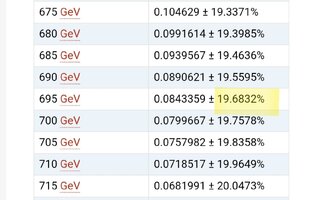
I tought you read some statistic somewhereMildly curious if this number corresponded to something, it brought me to CERN lol
View attachment 187666
View attachment 187665